Automating Expense Tracking: A Practical Guide for Freelancers and Small Teams
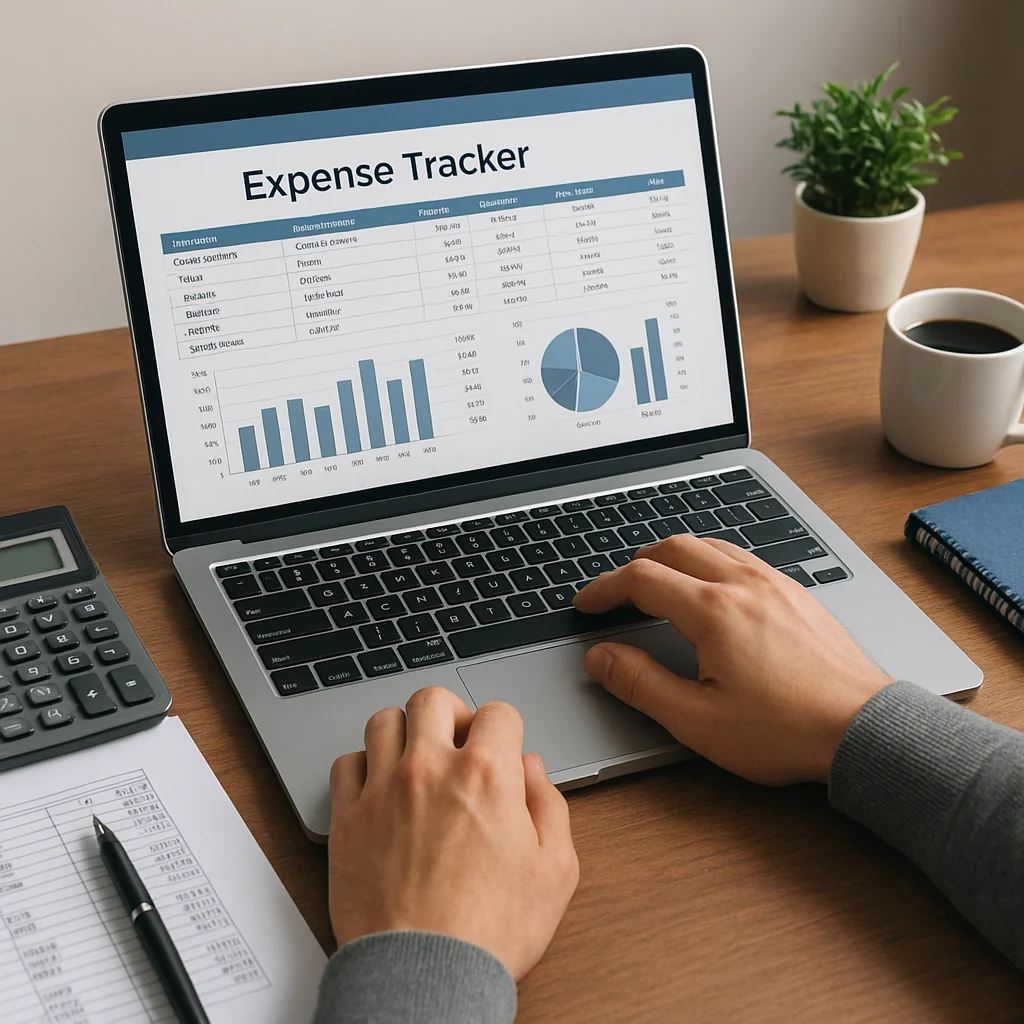
Automating expense tracking helps you collect, store, and find invoices and receipts without manual filing. This guide shows how to automatically save invoices from Gmail into organized Google Drive folders, what rules and setup steps work best, and how to keep everything private and under your control.
Why automate expense tracking?
You save time, reduce missed deductions, and keep records searchable when you automate invoice collection and filing. For freelancers and small teams the biggest gains are fewer manual steps at tax time, consistent organization by supplier and period, and a reduction in lost receipts that can cost you both money and stress.

Because many small businesses use Gmail and Google Drive already, automating within that ecosystem offers simplicity: messages and attachments stay inside your Google account, so you keep data ownership and control while removing repetitive work.
How automated expense workflows work with Gmail and Google Drive
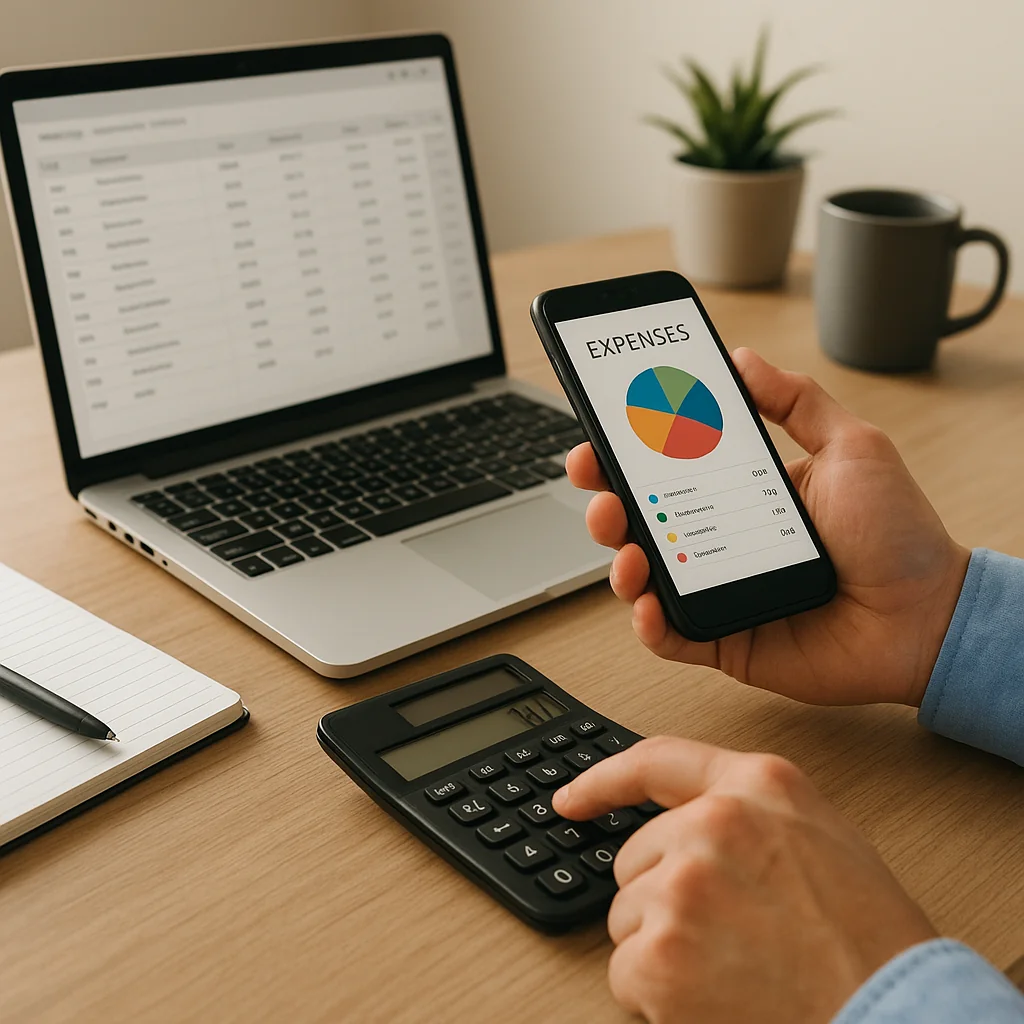
An automated workflow watches for invoices and receipts in your Gmail, extracts attachments or email content, and saves files into Drive using a predictable folder hierarchy and file naming. Key technical pieces you’ll see in most practical systems are:
- email parsing to identify invoice-like messages (by sender, subject, or attachment type)
- rules or filters that route matched messages into an invoice workflow
- automatic saving of attachments or converted email bodies into Google Drive folders
- optional OCR and metadata tagging so you can search by supplier, date, or amount
By keeping the automation inside your Google account, you avoid routing financial documents through external servers. That protects privacy and aligns with strong data ownership practices.
Getting started — a practical setup checklist
Start with a small, repeatable setup and expand it as you gain confidence. Below is a simple checklist you can follow now.
| Step | What to do | Approx. time | Result |
|---|---|---|---|
| 1. Identify sources | List common suppliers, payment services, and platforms that send invoices to your Gmail. | 10–20 min | Clear targets for filters and rules |
| 2. Create a folder hierarchy | Set up top-level Drive folders like /Invoices and /Receipts, then by year and supplier. | 10–30 min | Consistent home for all saved files |
| 3. Build Gmail filters | Filter by sender domain, subject keywords (invoice, receipt), or attachment type. | 5–15 min | Messages flagged for automation |
| 4. Connect automation to Drive | Authorize the tool within your Google account to save attachments into the chosen folders. | 5–10 min | Auto-save of attachments triggered |
| 5. Set naming and metadata rules | Use a consistent filename pattern (YYYY-MM-DD_supplier_type) and enable OCR/tagging if available. | 10–20 min | Searchable, standardized files |
| 6. Review and refine | Check the first 50 saved items for accuracy, adjust filters and rules as needed. | 30–60 min | Reliable automation with few exceptions |
The table above gives a step-by-step starter plan. Once in place, the workflow reduces a weekly chore to a quick review rather than manual sorting.
Designing your folder and naming system
A predictable folder hierarchy makes retrieval straightforward and works well when you export data to your accounting software or share records with an accountant. A common, low-friction structure is:
- /Invoices/YYYY/Supplier Name
- /Receipts/YYYY/Month
- /Expenses/Team Member/Month
File naming should make each file unique and searchable. Try: YYYY-MM-DD_supplier_invoiceAmount_description.pdf. That format helps you scan folders or sort by date quickly.
Rules and filters that actually work
Good filters balance recall (catching most invoices) and precision (avoiding unrelated mail). Start with these practical rules:
- Filter by known sender domains (billing@acme.com, invoices@platform.com).
- Look for subject keywords: invoice, receipt, statement, payment confirmation.
- Match messages with PDF or image attachments and a small file size threshold to exclude marketing PDFs.
- Use Gmail labels to tag matches, then let your Drive automation process labeled messages.
Keep a fallback label like “Invoice – Review” for uncertain matches so nothing is dropped silently.
OCR and metadata: when to use them
Optical character recognition (OCR) and metadata tagging make receipts usable beyond storage. OCR extracts text from images or scanned PDFs so you can search by amount or vendor. Metadata fields (supplier, date, amount, invoice number) help link documents to accounting entries.
OCR accuracy varies with image quality. For mobile photos or long merchant receipts, accept that some manual correction will be needed. Use OCR for indexing and quick search, but preserve the original image or PDF for audit-quality copies.
Handling edge cases and exceptions
No automation is perfect. Design your process to surface exceptions for quick review:
- Low-confidence matches should go to a “Review” folder or label.
- Duplicate attachments can be detected by file hash or filename pattern — delete or archive duplicates automatically.
- Multi-page or long receipts may require manual merging or saving as a single PDF.
- Vendor emails without attachments can be saved by converting the email body to PDF before filing.
Spend a short weekly block (10–30 minutes) reviewing the exceptions list rather than digging through your inbox for lost invoices.
Integrating automated receipts with bookkeeping
Think of automated saving as the upstream piece of bookkeeping. Once invoices are consistently filed in Drive, you can:
- Provide accountants or bookkeepers with shared Drive folders (set viewer or commenter permissions).
- Attach Drive links in your accounting software or expense entries.
- Export metadata in bulk (CSV) for reconciliation and reporting.
Keeping Drive organized reduces friction when you or your bookkeeper match receipts to bank transactions, run reports, or prepare returns.
Privacy and security considerations
If you’re privacy-conscious, choose tools and configurations that keep data inside your Google account. Key points to check:
- Permissions: the automation should request only the Drive and Gmail scopes it needs and run while authorized by your Google account.
- Data flow: files and extracted metadata should remain in your Drive; no third-party servers should store or process your financial documents.
- Access control: manage who can view or edit Drive folders and regularly review connected apps in your Google account settings.
Keeping data local to Drive preserves data ownership and reduces external exposure. For many small teams, that model is simpler and more secure than routing documents through outside services.
Practical examples
Here are three real-world examples that show how an automated setup saves time and avoids common issues.
Example 1 — Freelance designer
You get invoices and receipts from platforms and suppliers into your Gmail. You set filters for sender domains used by those platforms and a rule to auto-save PDF invoices to /Invoices/2026/PlatformName. You use OCR to tag the invoice number and date. At tax time, you or your accountant finds all platform invoices in one folder, with minimal manual searching.
Example 2 — Two-person consulting team
Each consultant receives receipts for client expenses. You create a shared Drive folder structure /Expenses/TeamMember/YYYY/MM and set a rule that labels any receipt sent to either consultant’s email with the correct team-member label. Automation moves the attachment into the shared folder and adds a filename with the team member initials for easy review and reimbursement.
Example 3 — Accountant managing multiple clients
As a bookkeeper, you set up client-specific Drive folders and a standardized naming convention. When invoices for clients arrive in a central inbox, filters and labels send attachments to /Clients/ClientName/Invoices/YYYY. OCR pulls invoice numbers into metadata so you can quickly reconcile with client books.
Troubleshooting common issues
Here are quick fixes to common problems you’ll encounter:
- Filter misses: broaden the subject keyword list or add common sender domains.
- Incorrect saves: refine rules that rely on attachment types or set test labels before auto-saving.
- Duplicate files: implement a duplicate-detection step or set the automation to skip files that already exist with the same hash.
- OCR errors: keep originals and use OCR as a search aid; correct metadata manually when needed.
Choosing the right level of automation
Start small: automate simple, high-confidence sources first. As you validate that files are saving correctly, add more filters and rely on OCR and metadata. For many freelancers, a single automated rule that saves all PDF invoices to a Year/Supplier folder is enough. For bookkeepers or teams, add labeling, review queues, and richer metadata to support reconciliation.
Remember: automation should reduce your work, not create a longer list of fixes. Balance convenience with occasional manual review.
About InvoDrive and privacy-first automation
At InvoDrive we build tools that let you save Gmail attachments automatically into Drive so your bookkeeping starts with organized files inside your Google account. Our approach focuses on one-click invoice setup and simple, privacy-conscious automation that keeps your invoices in Drive — not on external servers. We support organization by supplier, month, and year and include options like OCR and metadata tagging. InvoDrive also offers a free trial with no credit card required so you can test the workflow on your own data.
FAQ
How soon will automation start saving my invoices?
Once you authorize the connection and enable a rule, automation can begin saving matching messages immediately. Expect the first batch of saved files within minutes, though you should review the first 50–100 items to confirm filters and naming rules.
Will my invoices leave my Google account?
No. A privacy-first setup ensures files remain in your Google Drive. Automation runs with the permissions you grant and saves files directly into your folders. You control sharing settings and connected app permissions from your Google account.
Can I change folder structure or file naming later?
Yes. You can update your folder hierarchy and naming conventions anytime. When you change rules, new files will follow the updated pattern. For consistency, consider a brief migration plan if you rename or move many existing files.
What happens with receipts that have poor image quality?
Poor-quality images may have lower OCR accuracy. The document will still be saved, but you may need to add or correct metadata manually. Keep the original file as an audit-quality copy and capture a better photo when possible.
Can multiple team members use the same automation?
Yes. For teams, set up shared Drive folders and manage permissions carefully. Each member can run automation under their account or a shared account, but ensure access controls prevent unwanted edits or deletions.
Implementing automated expense tracking within Gmail and Google Drive is a practical, privacy-conscious way to simplify bookkeeping. Start with a few high-confidence rules, standardize your folders and file names, and use OCR and metadata where it helps. Over time you’ll spend less time hunting for receipts and more time running your business.

 Continue with Google